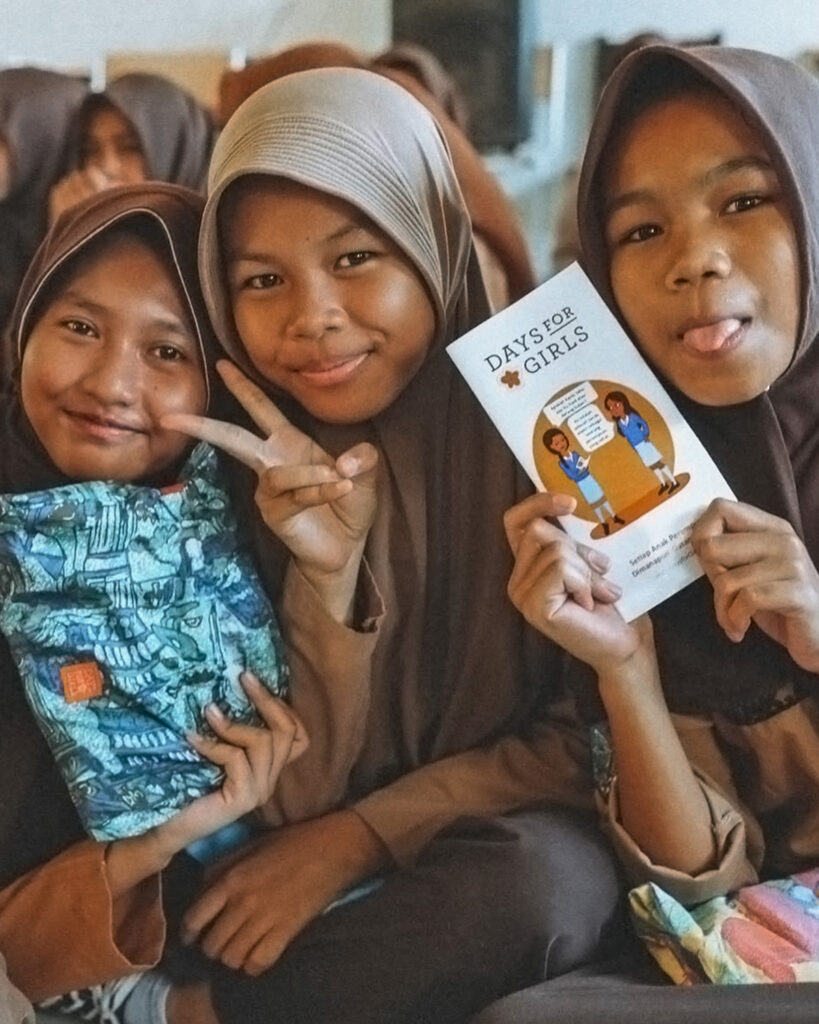
Project Hiu is an organisation working alongside shark fishing communities in East Lombok, Indonesia to support long-term alternatives to the shark fin trade.
The project began after a fisherman approached the organisation seeking help for his daughter, who had limited access to menstrual health education and resources. This conversation led to broader research surrounding period poverty, sustainability, education, and community-led support systems within the region.
My role focused on research, organisational outreach, and partnership facilitation, helping connect Project Hiu with Days for Girls Australia to support access to reusable menstrual kits and educational resources.
Research & Exploration
Research began by exploring menstrual health accessibility within coastal fishing communities in East Lombok.
Although our team was based in Australia, Project Hiu connected us with women through their existing shark conservation work. Through phone interviews and ongoing conversations, we explored challenges surrounding period education, accessibility, environmental waste, and cultural understanding.
Alongside community conversations, we researched organisations working globally within menstrual health and period poverty to better understand both immediate support systems and long-term sustainable pathways.
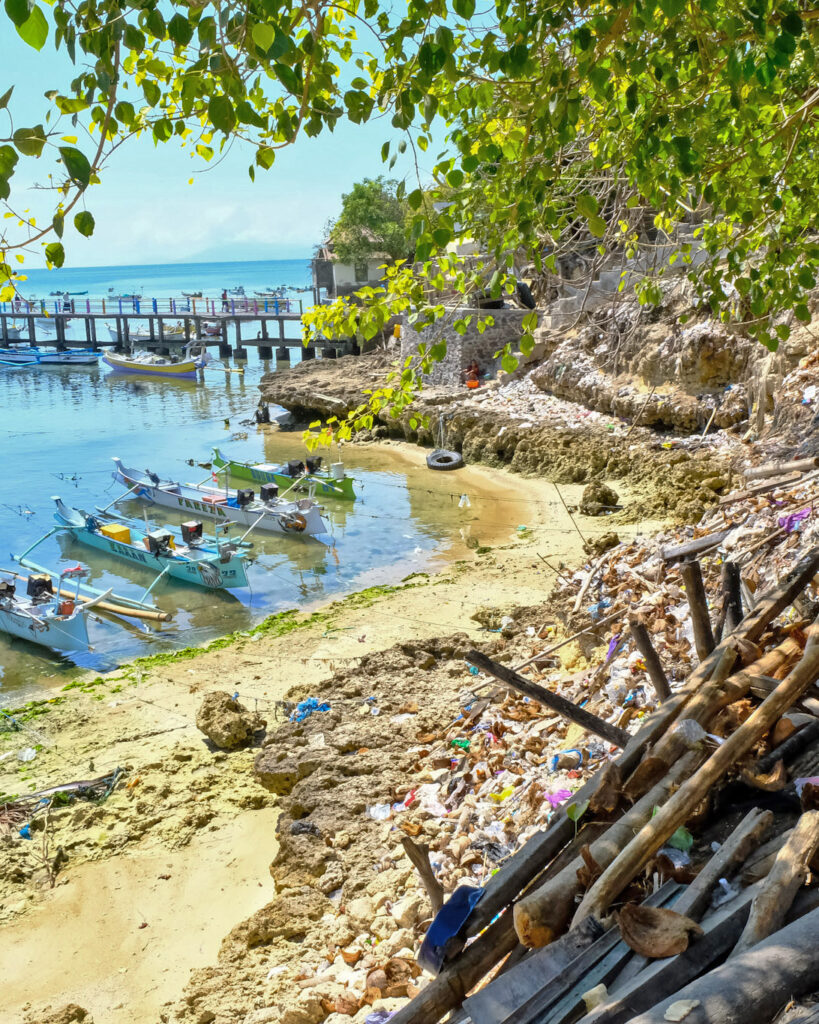
Maringkik Island has no formal waste infrastructure.
Access, education, and waste systems were deeply interconnected.
Research focused on understanding everyday access to menstrual education and resources.
Initially we thought the best direction was...
Travel to East Lombok to better understand community needs firsthand.
Develop educational programs alongside local women and families.
Build a long-term social enterprise owned by the community itself.
However, we needed to balance long-term vision with immediate support
As research progressed, it became clear that building a community-run enterprise would require significant time, funding, and local infrastructure. Instead, we prioritised a more immediate and sustainable pathway by focusing on accessible education, reusable menstrual kits, and partnerships that could realistically support the community in the short term.
Video by @projecthiu
Outcomes & Ongoing Impact
While long-term conversations are still continuing, the immediate priority became finding a practical and accessible short-term solution for women within the community.
My role focused on research, organisational outreach, and partnership facilitation. After speaking with multiple menstrual health organisations internationally, I helped connect Project Hiu with Days for Girls Australia to explore alternatives that were both sustainable and achievable for a small not-for-profit organisation.
This collaboration shifted the direction of the project away from disposable or low-cost imported products and toward reusable menstrual kits supported by educational resources and community-based guidance.
Through this partnership, Project Hiu has since ordered and distributed more than 300 reusable menstrual kits throughout East Lombok communities.
Alongside coordination work, I also contributed educational materials and research exploring accessibility, environmental waste, and the broader social systems connected to menstrual health within coastal fishing communities.